

Small details often influence how an outfit looks as a whole. The bracelets (手鍊) can add a controlled touch without changing the main clothing choices. The right piece should suit the outfit, setting, and daily routine.
When people search for suitable wrist accessories, they usually want simple guidance. They need help with size, material, color, layering, and daily matching. A clear structure reduces random choices and prevents combinations that feel excessive.
Without a basic plan, selection can become confusing. Too many details may compete for attention. Poor sizing can also affect comfort during regular movement. A practical method keeps each decision easier to assess.
Start with A Clear Purpose
A structured approach works better than guessing because each choice has a clear reason. Start by deciding where the accessory will usually be worn. Daily settings may require simple designs, while formal occasions can allow more detail.
· Consider the outfit before selecting the wrist piece.
· Check size against the wrist before purchasing.
· Match the material with regular clothing choices.
· Keep decoration suitable for the intended setting.
· Review comfort before deciding on regular wear.
Match Size with Proportion
Size affects both appearance and daily handling. A slim wrist can suit a lighter design. A broader wrist may support a stronger shape without appearing excessive.
Measure the wrist carefully before selecting a size. Allow enough room for natural movement without making the piece loose. Real conditions can change the fit during movement. One limitation is that sizing guides may differ between makers.
Coordinate Color Carefully
Color should support the clothing rather than compete with it. Neutral shades usually provide flexible pairing across different outfits. Stronger colors can create a clear focal detail when the clothing remains simple.
Look at the complete outfit before making a choice. Consider shoes, bags, watches, or other visible accessories. Similar tones can create continuity. Contrasting shades can create separation. The main limitation is changing clothing color throughout the week.
Balance Multiple Pieces
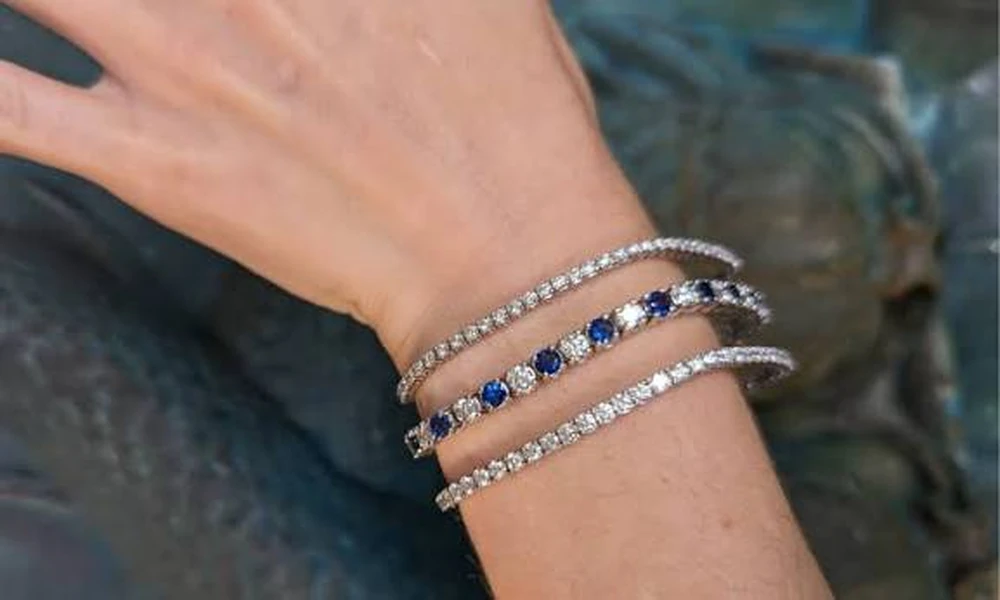
Layering requires attention to spacing, size, and visual weight. Several pieces can work together when each one has a clear role. Similar materials often create a more connected appearance.
Begin with one main piece. Add another only when the arrangement still looks balanced. Keep different shapes from becoming too crowded around the wrist. The bracelets (手鍊) can appear more refined when layering remains controlled. The main difficulty is knowing when another addition becomes unnecessary.
Follow A Simple Routine
A repeatable process makes daily selection easier. It removes unnecessary decisions and keeps the overall appearance consistent.
· Check the outfit before selecting any wrist accessory.
· Select one suitable piece as the starting point.
· Compare its color against visible clothing tones.
· Confirm that the size allows natural wrist movement.
· Add another piece only when balance remains clear.
· Remove unnecessary items that create visual crowding.
A simple routine also saves preparation time. It encourages practical choices instead of rushed combinations.
Improve Through Regular Review
Testing different combinations provides useful information about personal preferences. Notice which sizes remain comfortable during longer periods. Compare which colors work across several outfits.
Keep simple notes when certain combinations repeatedly feel unsuitable. Adjust one factor at a time. Change the size, color, material, or number of pieces separately. This makes the result easier to understand.
Frequently Asked Questions
· What size should a wrist accessory have? Choose a size that allows movement without sliding excessively around the wrist.
· How should colors be matched with clothing? Use related shades for unity or contrasting tones for controlled visual separation.
· Can several wrist pieces be worn together? Yes, provided their combined shapes remain balanced and comfortable during movement.
· Should material influence daily selection? Yes, material affects weight, texture, appearance, and suitability for repeated use.
· How can excessive decoration be avoided? Begin with one piece and add another only when the arrangement remains balanced.
· What should be checked before regular wear? Check sizing, attachment quality, surface finish, weight, and compatibility with daily activities.
A useful approach does not depend on perfect combinations. It depends on observing results and making measured adjustments. Regular review helps refine personal choices without unnecessary changes. Good styling remains practical when selection follows a consistent process. The goal is steady control rather than chasing perfection through constant replacement.