

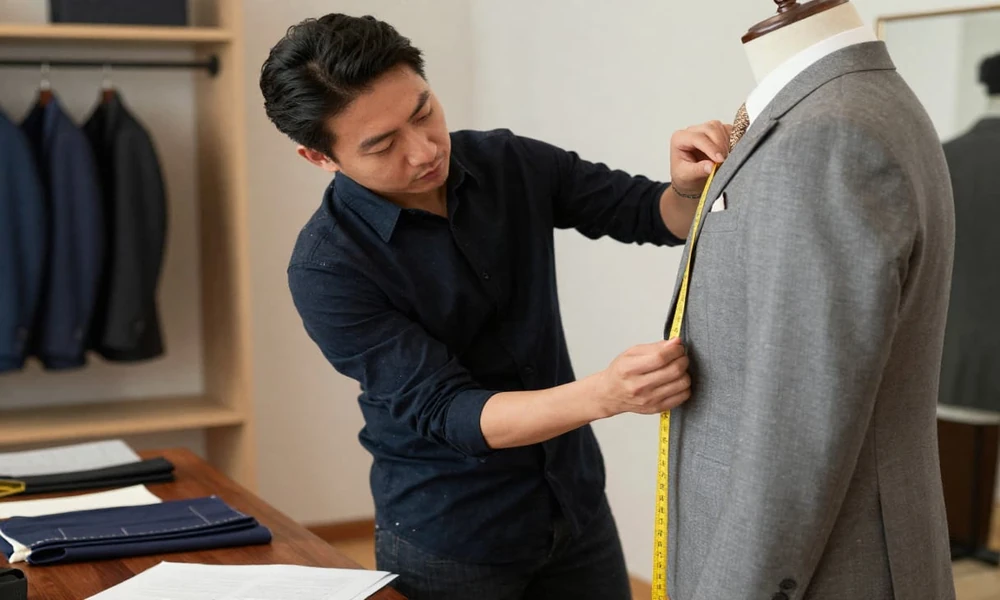
Professional clothing plays a major role in shaping workplace presentation today. Strong garment planning supports a better appearance during meetings and formal activities. Many organizations prefer refined clothing choices that match workplace standards carefully. A bangkok tailor shop often supports structured clothing development through precise measurements. Thoughtful design methods help create suitable attire that remains functional throughout daily responsibilities.
How Can Clothing Design Support Professional Appearance?
Well-planned garment construction helps maintain a polished workplace image consistently.Careful fabric selection and balanced fitting contribute to a neat presentation daily.
Appropriate design choices also support confidence during important business interactions.Business attire should reflect workplace expectations without unnecessary decorative details. Proper clothing structure often creates a balanced and professional visual impression.
Building Better Wardrobe Planning Systems
Organized clothing selection improves reliability across various workplace situations.Structured planning reduces uncertainty when preparing attire for professional duties.
Professional wardrobes benefit from garments designed with long-term usability. Consistent design standards support reliable clothing choices throughout changing work requirements.
What Factors Influence Long Term Clothing Value?
Material quality directly affects durability across repeated workplace usage periods.Construction methods also determine how garments maintain their original appearance.Regular maintenance practices further support extended clothing performance over time.
Which Features Improve Workplace Clothing Performance?
Several design elements help garments perform effectively during business activities.
- Balanced shoulder shaping supports improved posture during daily responsibilities.
- Refined stitching methods increase garment stability across frequent usage.
- Appropriate sleeve proportions encourage comfortable movement during scheduled tasks.
- Quality lining materials assist smooth garment structure throughout workdays.
- Functional pocket placement improves accessibility without affecting garment balance.
Measurement Methods Supporting Better Garment Results
Accurate sizing contributes greatly toward clothing effectiveness and appearance.
- Detailed body assessments improve overall garment alignment considerably.
- Consistent sizing procedures reduce fitting inconsistencies during production.
- Precise proportion reviews support balanced clothing construction outcomes.
- Careful dimension recording improves future garment development processes.
- Reliable measurement standards strengthen wardrobe planning efficiency significantly.
Construction Techniques Enhancing Garment Durability
Quality workmanship directly affects clothing longevity and visual consistency.
- Reinforced seam structures increase garment strength during repeated use.
- Careful assembly procedures support dependable clothing performance regularly.
- Neat internal finishing improves structural reliability across workdays.
- Balanced panel integration strengthens garment appearance over extended periods.
- Quality craftsmanship supports dependable wardrobe investment outcomes consistently.
Steady Professional Results
Reliable workplace clothing begins with careful planning and thoughtful garment creation. Consistent design standards support balanced presentation across changing responsibilities. Quality construction methods encourage lasting performance throughout regular business activities. A bangkok tailor shop often contributes valuable guidance for structured wardrobe development. Strong results usually come from consistent execution rather than pursuing perfect outcomes.